What Is ChatGPT Work? How to Use OpenAI's GPT-5.6 Agent
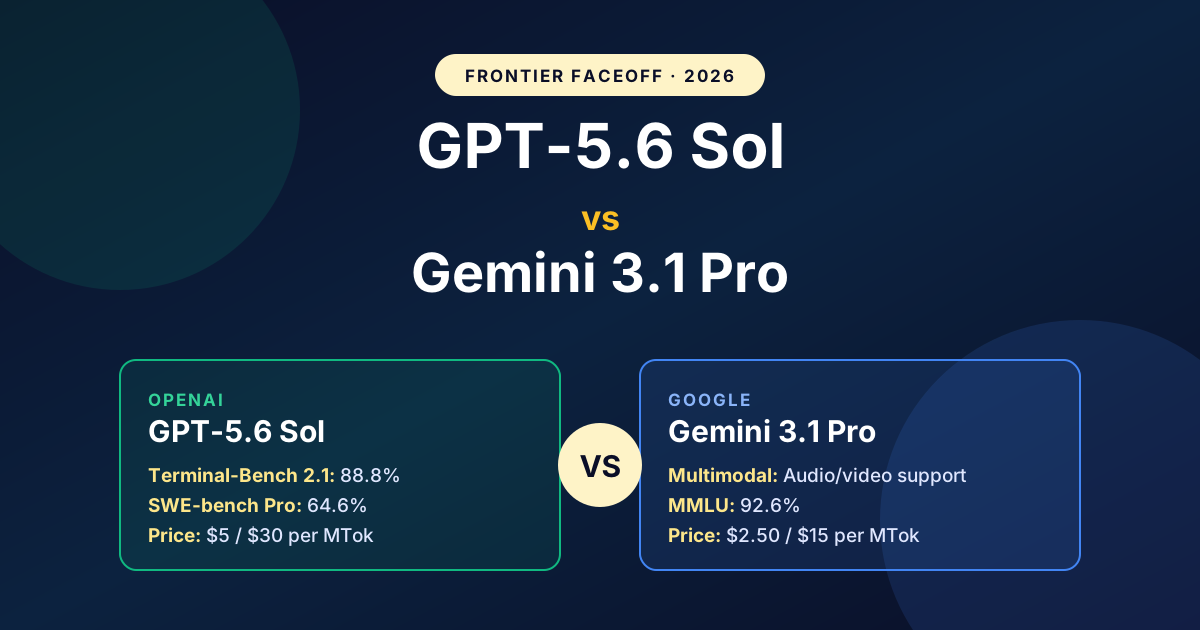
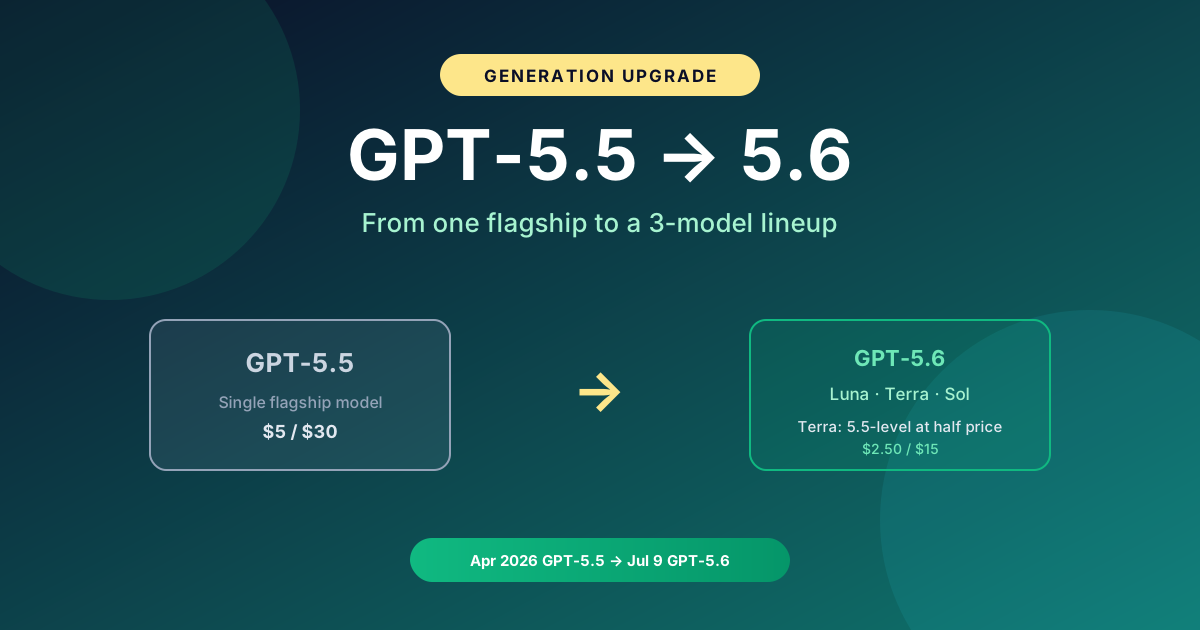
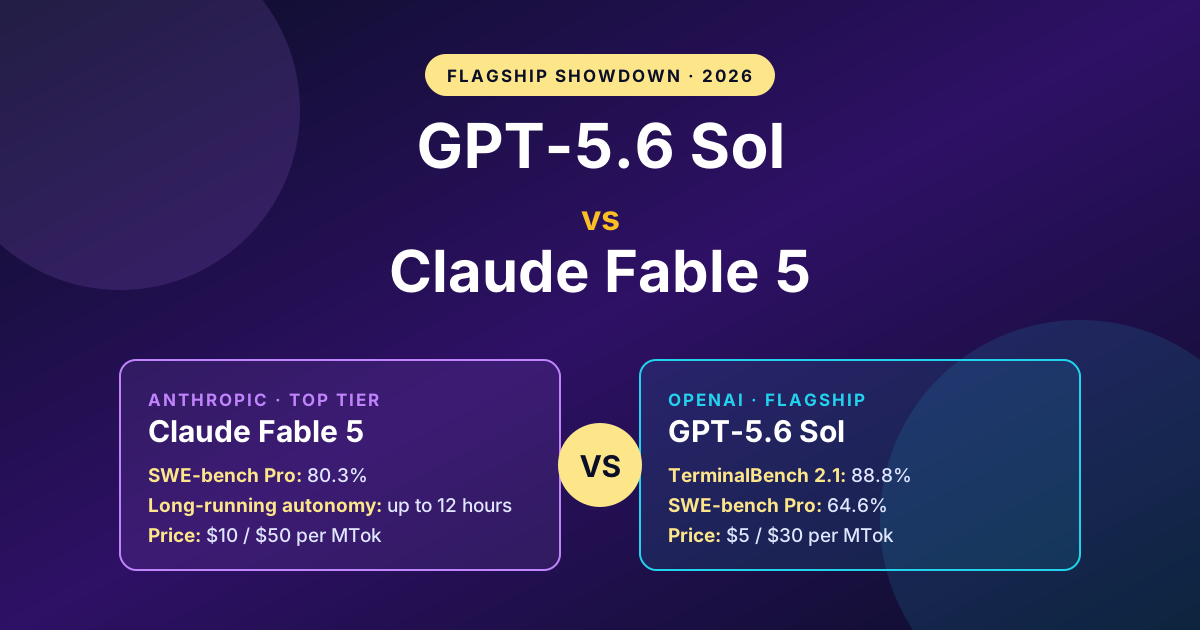
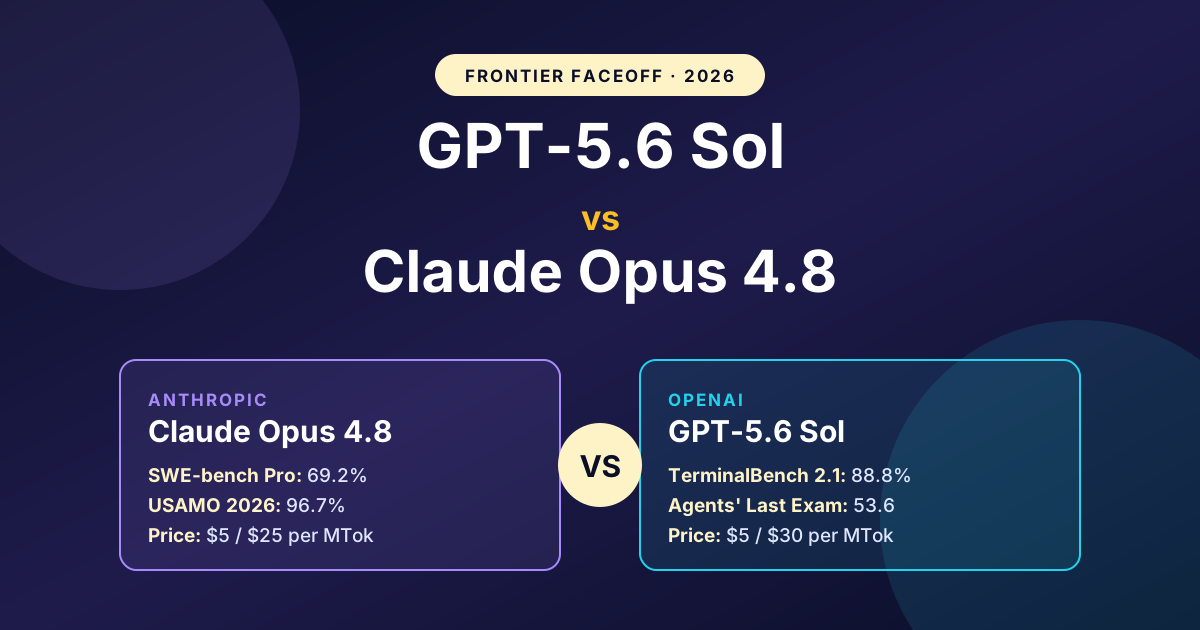
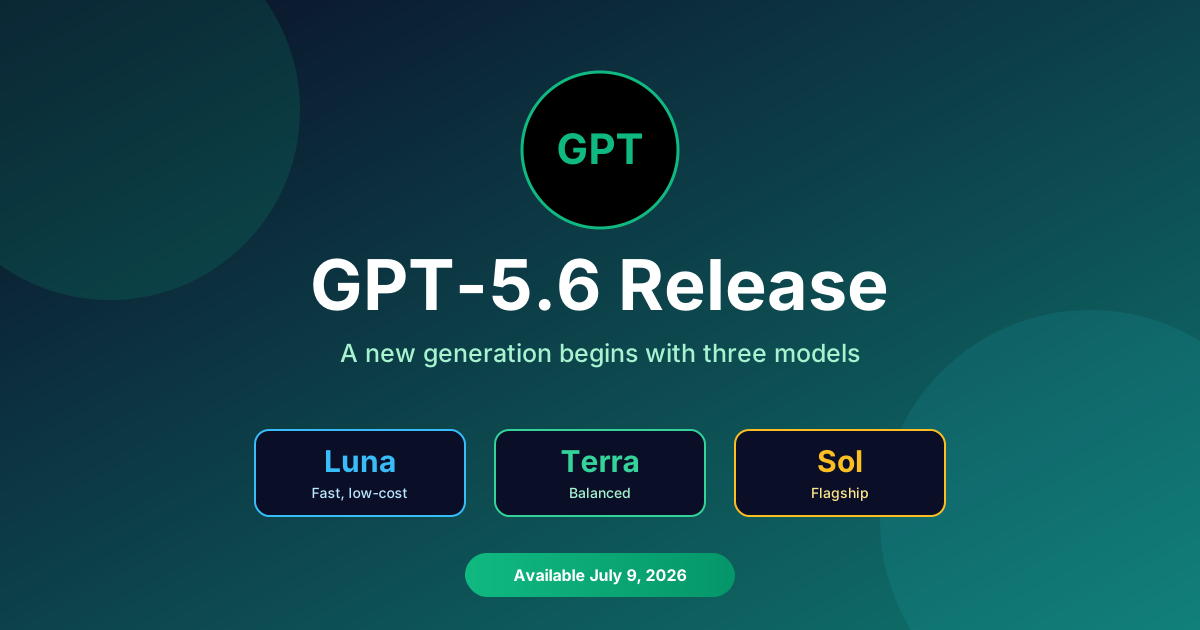
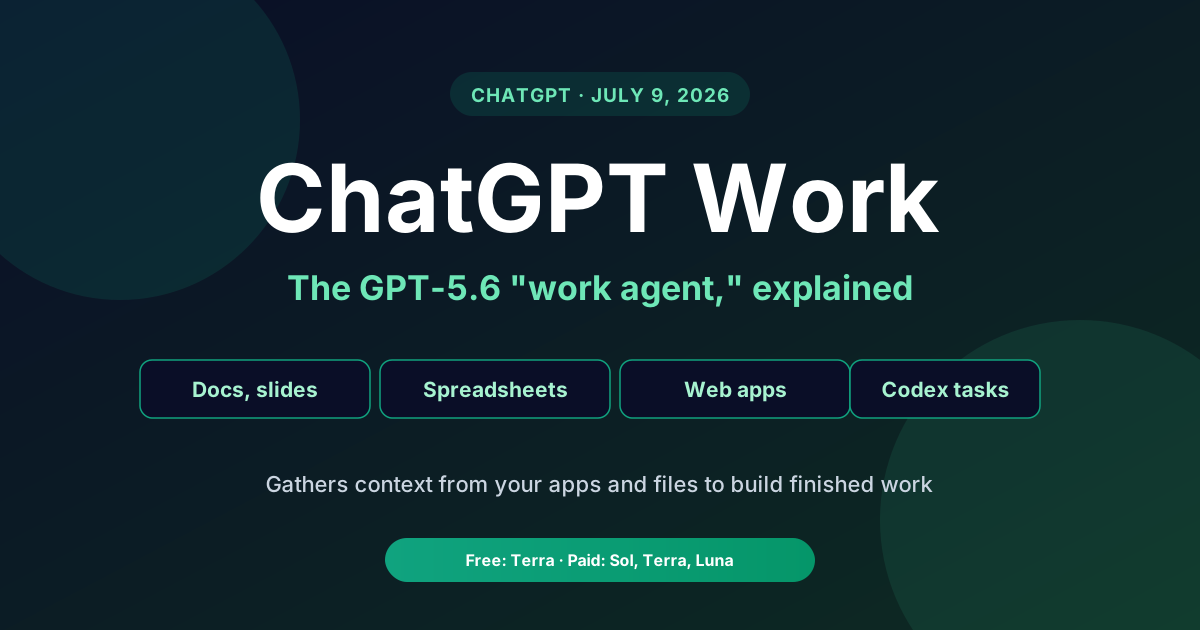
ChatGPT Work is the "AI agent for work" that OpenAI announced on July 9, 2026 alongside GPT-5.6. Unlike a regular chat that just answers, it gathers context from your connected apps and files to build finished deliverables — documents, spreadsheets, slides, and even web apps. Its brain is the new flagship GPT-5.6 Sol (built on Codex), and it can break a complex project into steps and keep working for hours (Thurrott). Inside the unified desktop app, three modes coexist — Work (deliverables), Codex (technical, shows details), and regular chat (conversation) — with Work positioned as the "business version" that hides Codex's technical detail (9to5Mac). The model depends on your plan: Free/Go default to Terra, while Plus/Pro/Business/Enterprise choose from Sol/Terra/Luna (as reported). Its strength is pulling in "your context" via connectors like Google Drive, SharePoint, and Slack, plus MCP — and for enterprise, data isn't used for training by default. Drawing on Axios, TechCrunch, 9to5Mac, Thurrott, and OpenAI, this article lays out what ChatGPT Work is, how it differs from regular ChatGPT and Codex, which plans can use it, and which apps it connects to — with confidence labels on what is not yet official.